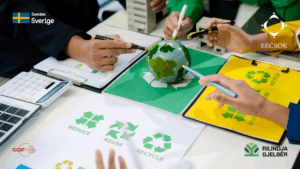
Waste Is Not the End – It’s the Beginning of a New Cycle
In the face of growing challenges related to pollution and the uncontrolled consumption of natural resources, Kosovo is shifting its policies and actions toward a circular economy — a development model focused on the efficient use of resources, waste reduction, and reintegration of materials through reuse and recycling.
Achieving this vision requires a comprehensive approach that includes coordinated policies, community involvement, and cross-sector cooperation. Below are the key measures needed to build a sustainable waste management system in Kosovo:
1. Waste Separation at the Source
Citizens and businesses must be encouraged and educated to separate waste at the source — into recyclable, organic, and non-recyclable categories. This initial separation is essential to facilitate effective recycling and proper waste treatment.
2. Developing Recycling Infrastructure
Investments are needed to build and expand recycling centers capable of handling various materials, such as plastic, metal, paper, and organic waste, making it easier to return materials to the economic cycle.
3. Circular Product Design
Businesses should be incentivized to design products that are easy to recycle, repairable, and long-lasting, following the principles of circular design.
4. Extended Producer Responsibility (EPR)
Policies must ensure that producers are held responsible for their products throughout their lifecycle — including collection, recycling, and disposal — in order to reduce waste and enhance corporate accountability.
5. Community Engagement and Awareness
Regular education and awareness campaigns on reduction, reuse, and recycling are essential to fostering a sustainable environmental culture within communities.
6. Promotion of Circular Business Models
Institutions should offer fiscal incentives and financial support to businesses implementing circular economy practices and innovating in resource management.
7. Encouraging Composting
Household and industrial composting is an effective way to treat organic waste and produce natural fertilizer for agriculture and horticulture.
8. Utilizing Waste-to-Energy Technologies
Implementing technologies that convert non-recyclable waste into energy offers an alternative solution to reduce waste volumes and generate energy.
9. Public-Private Partnerships
Collaboration between the government and private sector is crucial for developing large-scale waste management projects by combining resources and expertise.
10. Innovation and Smart Technology
The use of smart technologies — such as digital waste bins and tracking systems — can optimize collection routes and improve overall efficiency.
11. Training for the Circular Economy
Training programs for professionals, businesses, and municipalities are vital to build their capacities in implementing circular policies and practices.
12. Supportive Legal Framework and Policies
Drafting and enforcing legislation and administrative guidelines that promote recycling, waste reduction, and sustainable product design is essential for coordinated action.
13. Regular Waste Audits
Waste audits help identify the composition of waste and provide the data necessary for designing more accurate and effective policies.
14. Cross-Sector Collaboration
Collaboration among government, businesses, NGOs, and academic institutions is key to finding inclusive and sustainable solutions in the waste sector.
Conclusion
Transitioning from a linear to a circular economy in Kosovo requires coordinated efforts, long-term investments, and broad participation from social and economic actors. The implementation of these measures will directly contribute to reducing pollution, improving public health, and building a more sustainable and efficient economy.