Definitions and Environmental Terminology from the Waste Strategy
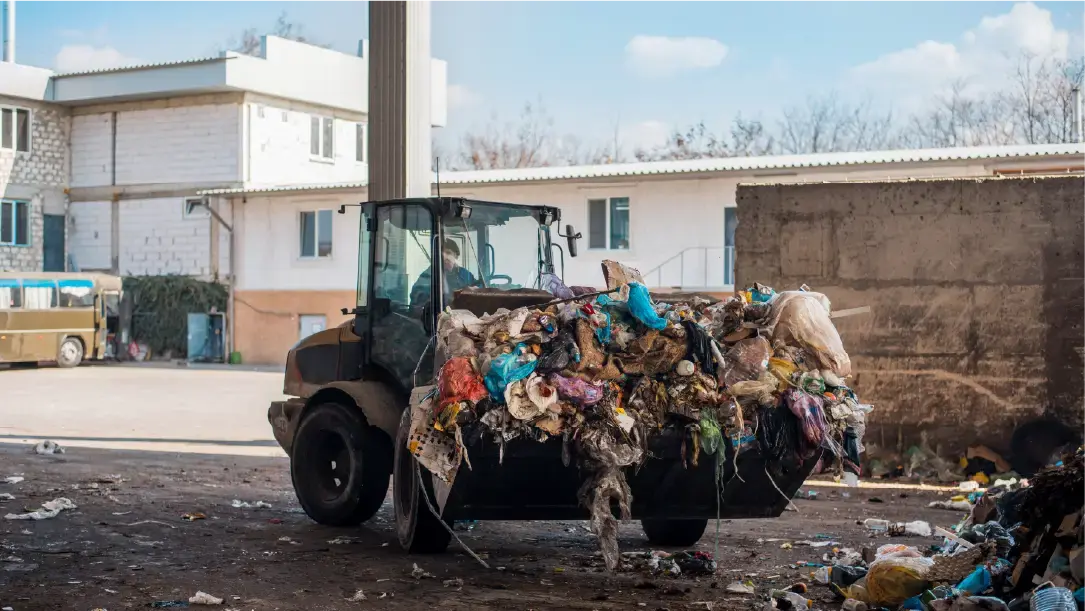
Waste management remains one of the most pressing environmental challenges facing Kosovo. As urban development, industrial activity, and consumerism have grown, so has the volume of waste generated daily. To address this, the Government of Kosovo adopted the Integrated Waste Management Strategy 2024–2035 and the accompanying Action Plan 2024–2026, aiming to establish a sustainable, inclusive, and functional waste management system.
This strategy outlines the key directions and priorities to reduce the negative impact of waste on the environment and public health, while increasing recycling and raising public awareness.
🔎 Key Definitions and Terms from the Waste Strategy
-
Waste – Any substance or object which the holder discards, intends to discard, or is required to discard.
-
Waste Management – All activities related to waste: from collection, transport, treatment, and recycling, to final disposal.
-
Municipal Waste – Waste generated by households, small businesses, and public services.
-
Hazardous Waste – Waste that contains chemical, biological, or physical components that may harm the environment or human health (e.g., batteries, industrial residues, pesticides).
-
Recycling – The process of converting waste into new materials that can be reused for other purposes.
-
Source Reduction – Minimizing the amount of waste generated during production or consumption.
📊 Statistical Highlights
-
Average amount of municipal waste: ~252.12 kg per person per year
(Source: Municipal Waste Management Report, KEPA 2022) -
Current recycling rate: Approximately 10–15% nationwide
(Target: increase to 30–50% by 2035) -
Untreated landfilling: Over 80% of waste ends up in landfills without prior sorting or treatment
-
Number of illegal landfills: More than 700
(According to historical data from KEPA) -
Waste collection service coverage: Approximately 65–70% of the population
✅ Conclusion
The current data clearly indicates the urgent need to reform Kosovo’s waste management system. With an average of 252.12 kg of municipal waste generated per person annually and over 80% of it being landfilled without treatment, the challenges are significant.
However, through the newly adopted strategy, Kosovo has set ambitious goals — including increasing the national recycling rate to over 30% by 2035 and expanding waste collection service coverage to reach all citizens. Successful implementation will require strong inter-institutional cooperation, financial support, and active public engagement to build a cleaner and more sustainable future.