Transformation of Kosovo toward Circular Economy
|
|
|
|
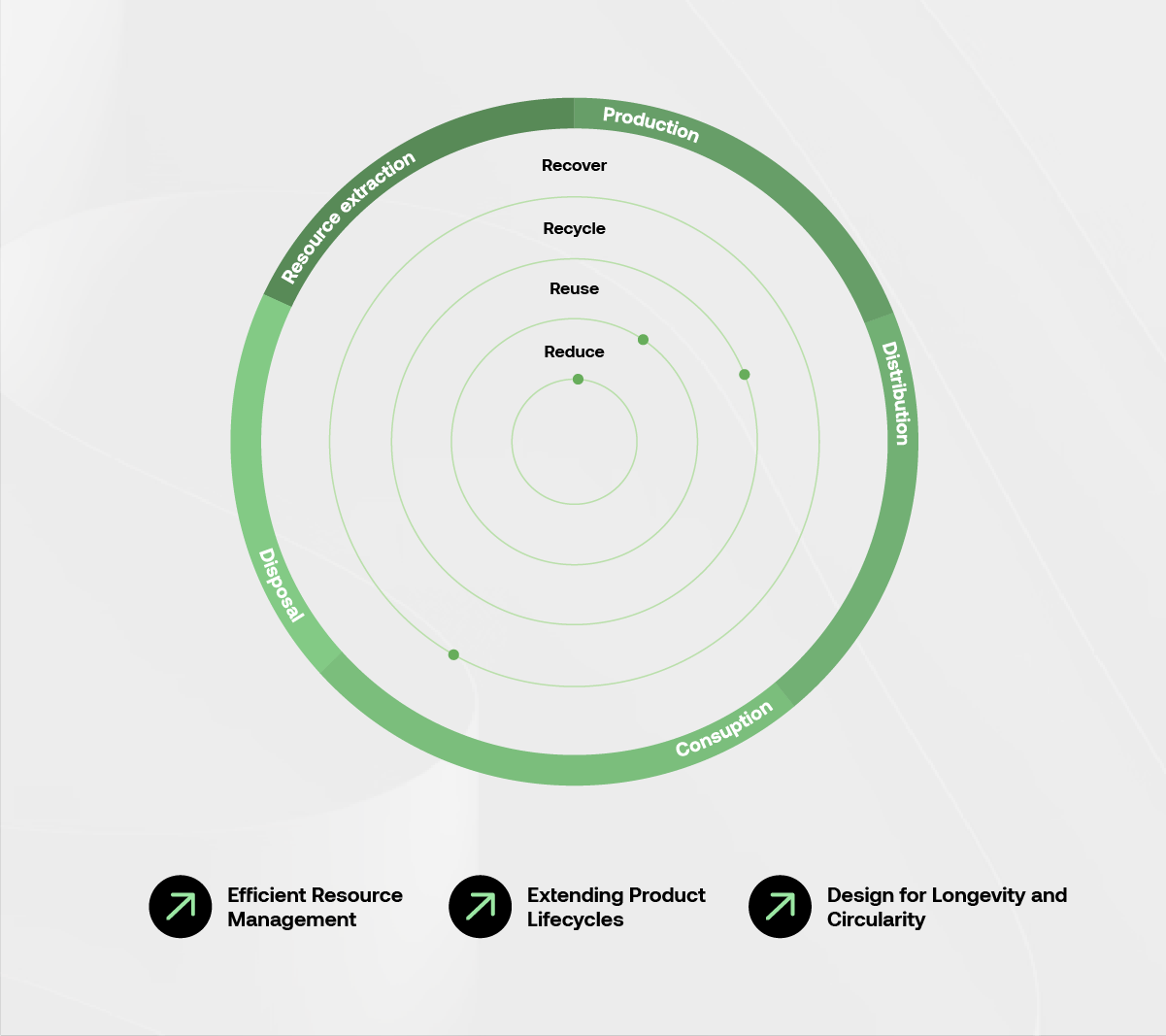
Every year, the world generates over 2 billion tons of waste, and only 9% of materials are recycled. Can we imagine an economy where nothing goes to waste?!
This is exactly what the EECSOK project aims to change, by transforming the way we produce, consume and reuse resources in Kosovo.
|
 |
|
About EECSOK
|
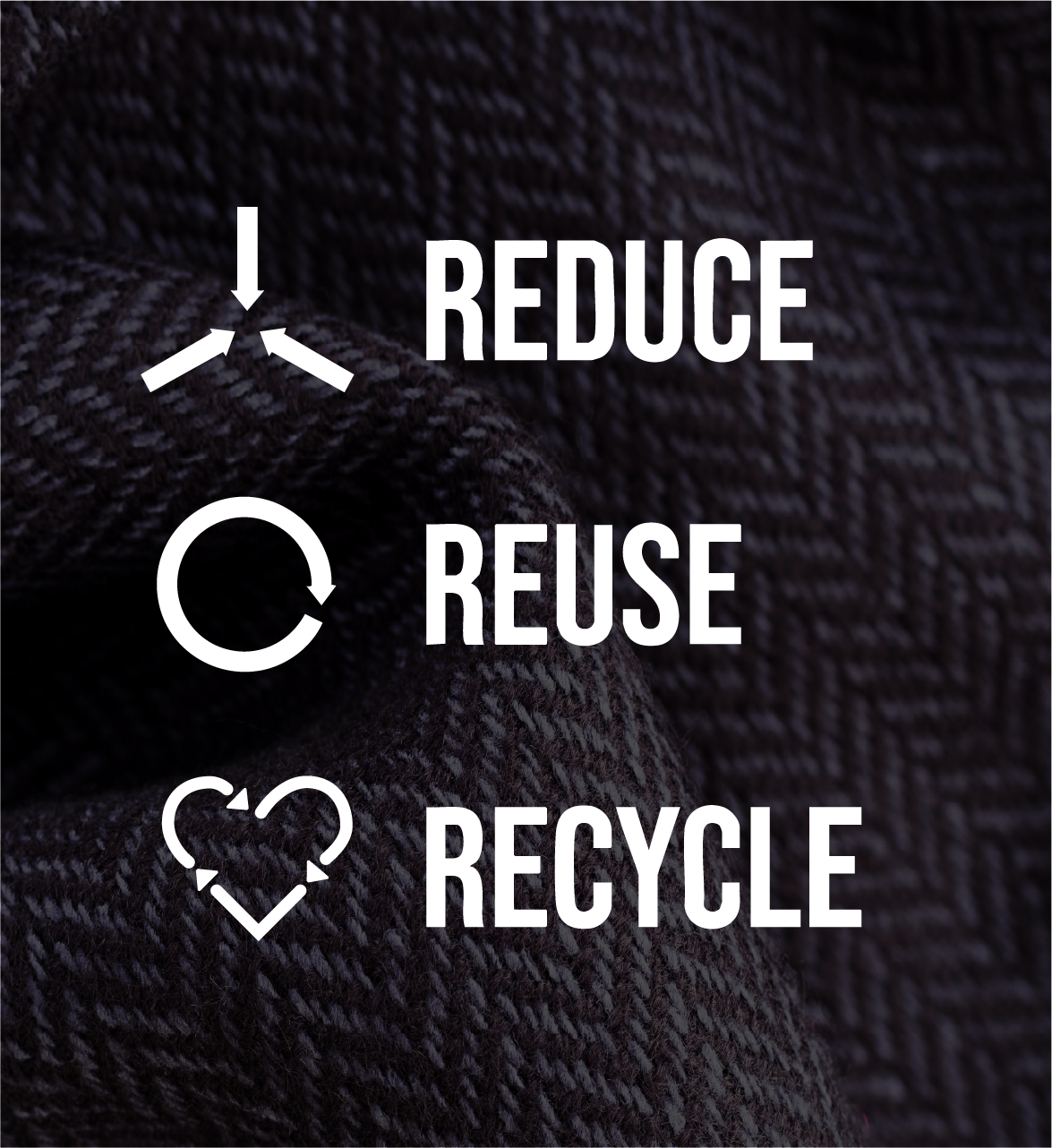
| The “Returning Values in the Circular Economy” project aims to facilitate the transition from the traditional linear “take-use-dispose” model to a regenerative circular economy. This project, implemented by Rilindja Gjelbër (formerly known as Let’s Do It Peja), focuses on the textile industry, promoting a culture of sustainability and responsible consumption, as well as strengthening recycling and reuse efforts throughout Kosovo. In line with the Green Agenda for the Western Balkans and the Sofia Declaration, Kosovo is taking important steps to move towards a more sustainable circular economy. This project aims to support this transition through awareness-raising, new policies, capacity building and innovative initiatives involving businesses, civil society and citizens. The project has a duration of four years, being implemented from 1 January 2024 to 31 December 2027, in cooperation with: Balkan Green Foundation, 7 Arte and EC Ma Ndryshe, organizations that play a key role in promoting sustainability and green policies in Kosovo. EECSOK (Empowering Environmental Civil Society Organisations in Kosovo) is supported by the Embassy of Sweden in Prishtina and is being implemented within the Community Development Fund – CDF, providing important support for Kosovo’s transition towards a more sustainable and innovative economic model. |
|
 |
Project Objectives
|
| 1. Promoting the circular economy through awareness-raising campaigns. 2. Building capacities for businesses and civil society to adopt sustainable economic models. 3. Creating the first Circular Economy Platform in Kosovo – REKO, a digital platform for the circular economy in Kosovo. 4. Advocating for legal changes and institutional support for the textile industry sector. 5. Developing innovative resource circulation models, especially in the fashion sector and textile recycling. |
|
|
Who are we?
|
|
Rilindja Gjelbër, formerly known as Let’s Do It Peja, is a leading organization in promoting socio-environmental policies and circular economy in Kosovo. With over a decade of experience in environmental projects and advocacy for green policies, the organization aims to transform the way society handles waste and natural resources. By collaborating with public institutions, non-governmental organizations, businesses and international actors, Rilindja Gjelbër continues to be a powerful voice for systemic changes that will lead to a cleaner and more sustainable Kosovo.
|
|
What is the Circular Economy and why is it important?
|
|
|
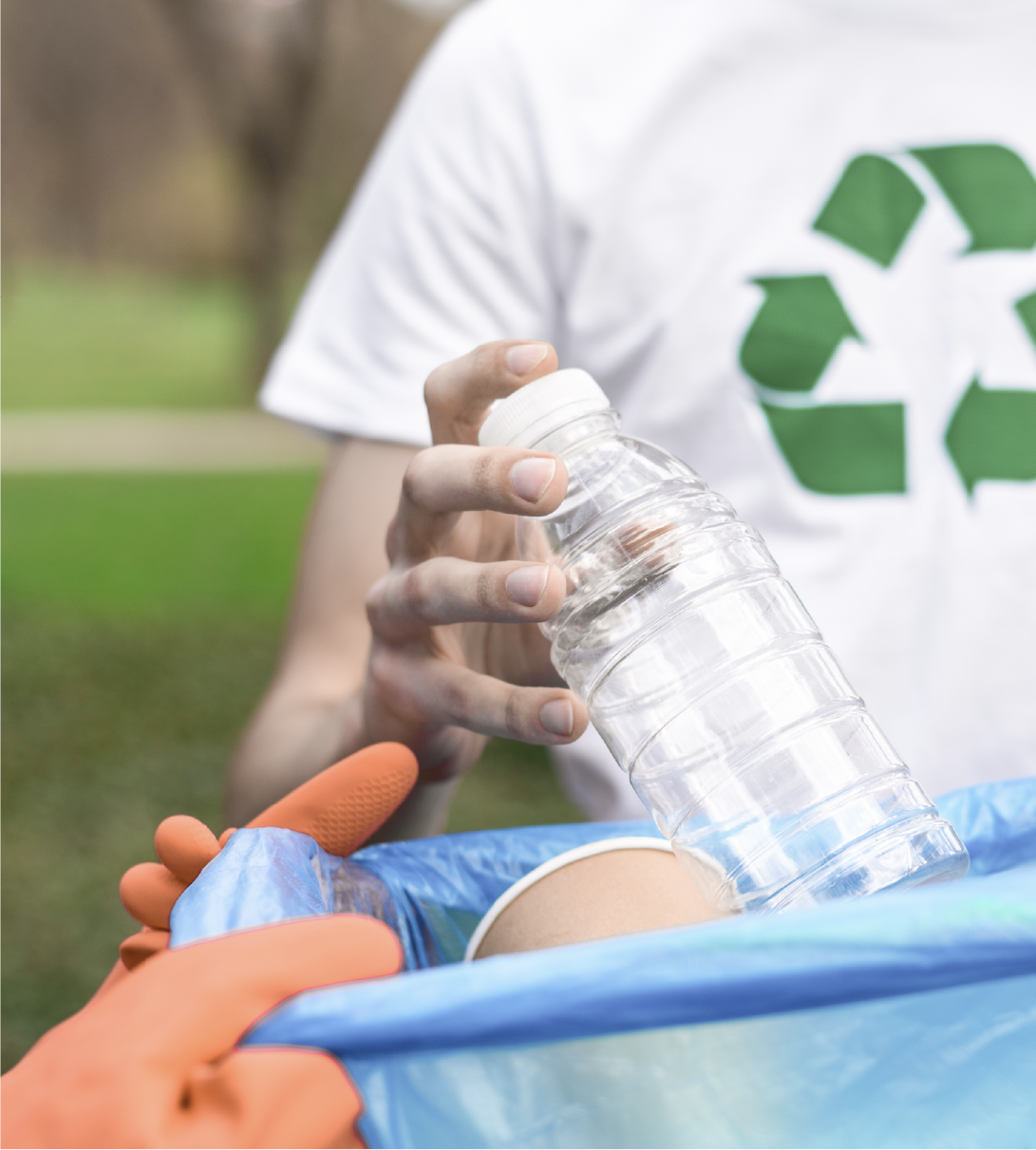
The circular economy is a system that aims to eliminate waste and maximize the use of resources through recycling, reuse and repair. Instead of products being thrown away after use, they are returned to the economic cycle through repair, reuse or recycling, reducing pollution and the need to extract new materials. This approach not only helps protect the environment, but also creates new economic opportunities, new jobs and increases the competitiveness of businesses by reducing dependence on natural resources. For Kosovo, the circular economy represents a great opportunity for sustainable development, aligning with EU standards and global objectives for a cleaner future.
|
 |
|
Circular Economy Practices in Kosovo and Globally
|
|
 |
Circular Economy in Kosovo
Kosovo has taken important steps towards adopting circular economy practices, as part of its commitment to the Green Agenda for the Western Balkans and the Sofia Declaration. The country is moving from a linear economic model (“take-use-throw”) to a regenerative circular economy, which minimizes waste, promotes the reuse of materials and encourages sustainable consumption.
Key practices and developments in Kosovo:
|
Strategic frameworks:
- Kosovo adopted the Circular Economy Roadmap in 2023, as a guiding document for the transition towards a more sustainable economy.
- The Integrated Waste Management Strategy (2021–2030) has integrated the principles of the circular economy, emphasizing waste reduction, recycling and awareness campaigns.
Legal support
- Amendments to the Law on Waste (No. 08/L-071) have introduced Extended Producer Responsibility (EPR) and the Deposit Return System (DRS), increasing responsibility for waste management.
- New strategies have been implemented for the management of hazardous and non-hazardous waste.
Collaborations and Initiatives
- The National Council on Climate Change, established in 2022, links environmental objectives with circular economy initiatives.
- Kosovo has a strong commitment to the EU for financial and technical support in this area.
|
|
What is the Circular Economy and why is it important?
|
|
Globally, the circular economy is seen as a key strategy to decouple economic activity from the consumption of finite resources. This approach focuses on eliminating waste, extending the life cycle of products, and regenerating the environment.
|
Global trends and strategies:
|
European Leadership
-
- The European Green Deal places the circular economy as a key path towards climate neutrality by 2050.
- The Circular Economy Action Plan (CEAP) and the EU Taxonomy Regulation set new standards for sustainable production and consumption.
|
Global Benefits
-
- 700,000 new jobs are expected to be created in the EU by 2030.
- 70% of greenhouse gas emissions which are linked to the use of materials will be reduced significantly.
Together we can build a more sustainable Kosovo – by promoting the Circular Economy, innovation and a greener future.r!
|
|
|
Visit our website: re-ko.org
|
Follow our social media for more
|
|